Thinking about a more efficient vehicle?
As more drivers explore alternatives to traditional petrol vehicles, terms like EV, hybrid, plug-in hybrid, strong hybrid and mild hybrid are becoming increasingly common. But understanding how these technologies work (and which might suit your lifestyle) can sometimes feel confusing.
Here you’ll find a simple guide to the different vehicle technologies and the electric and hybrid models available across the Winger Motors range.
Just want to browse the EV and Hybrid stock at Winger Motors? Easy!
Quick Comparison of Vehicle Types
| Vehicle Type | Charging | Fuel | Best For |
|---|---|---|---|
| EV (Electric Vehicle) | Plug in | Electricity only | Drivers wanting the lowest running costs, people who can charge at home, daily commuters, environmentally conscious drivers, and those wanting the quietest and smoothest driving experience |
| Hybrid (HEV) | Self-charging | Petrol + electric | Drivers who want better fuel efficiency without changing habits, people who can’t easily charge at home, city driving and stop-start traffic, and those wanting an easy transition from petrol |
| Plug-in Hybrid (PHEV) | Plug in + petrol | Electricity + petrol | Drivers who want pure electric driving for short trips (generally between 50 – 100km) but petrol for long journeys, commuters who can charge at home or work, families wanting flexibility, and those wanting to reduce fuel use without relying fully on charging infrastructure |
Ready to Explore Electric or Hybrid Vehicles?
If you’re considering an electric or hybrid vehicle, our team can help explain the options and show you what’s available. Fill out the form below and we’ll get in touch.
Electric Vehicles (EVs)
Electric vehicles run entirely on electricity stored in a battery. They are charged from a home charger, standard power outlet, or public charging stations located around New Zealand. EVs produce no tailpipe emissions and typically have lower running and servicing costs compared with petrol vehicles.
Best for:
- Daily commuting
- Drivers who can charge at home
- People wanting the lowest running costs
- Drivers looking to reduce fuel use and emissions
- Smooth, quiet driving
Things to consider
- Charging at home or public chargers
- Driving range between charges

Hybrid Vehicles (HEVs)
Hybrid vehicles combine a petrol engine with an electric motor and battery. The battery charges automatically while driving through regenerative braking and the engine itself, so there’s no need to plug in. The electric motor helps reduce fuel use, especially in city driving and stop-start traffic.
Best for:
- Drivers wanting better fuel efficiency
- People who cannot easily charge at home
- City driving and stop-start traffic
- Drivers transitioning from traditional petrol vehicles
- Everyday family driving
Things to consider
- Still uses petrol
- Electric-only driving is usually limited to short distances
Plug-in Hybrid Electric Vehicles (PHEVs)
Plug-in hybrid vehicles combine a larger battery with a petrol engine. They can drive short distances using electricity alone, then automatically switch to petrol when needed. While battery does self charge as you drive, to maximise electric range, the battery can be charged at home or at public charging stations. This gives drivers the ability to do everyday commuting on pure electric power while still having petrol for longer trips.
Best for:
- Drivers with short daily commutes – can drive pure electric.
- People who can charge at home or work
- Families wanting flexibility for longer trips
- Reducing fuel use without going fully electric
Things to consider
- To fully utilise electric driving, will need charging
- Slightly more complex system than a standard hybrid
Hybrid Terminology Explained
You might see manufacturers use different names for their hybrid technology. While the branding may vary, most systems fall into the categories of hybrid (HEV), plug-in hybrid (PHEV), or fully electric vehicles (EV).
Mild Hybrid
Uses a small electric motor to assist the petrol engine and improve fuel efficiency, but cannot drive on electricity alone. This is generally thought of as a regular hybrid vehicle.
Strong Hybrid
A hybrid system capable of driving short distances using electric power only before the petrol engine starts. Generally speaking, this would be a ‘regular hybrid’ vehicle – however, it would have a larger battery than a ‘mild hybrid’.
Super Hybrid
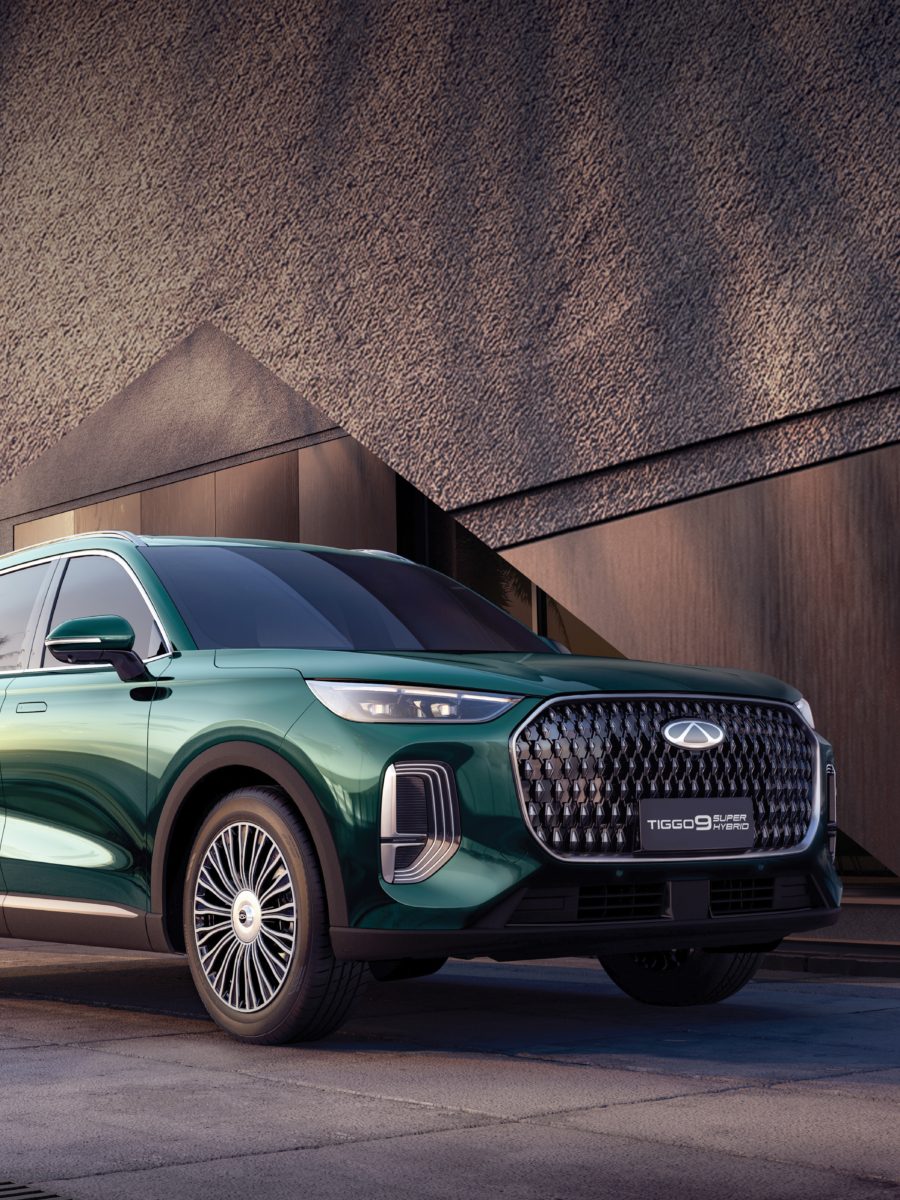
A term used by some brands for advanced hybrid systems combining electric driving with petrol backup, allowing seamless switching between the two power sources. Generally speaking, this term is used to describe a ‘plug-in hybrid’ vehicle.
Frequently Asked Questions
What’s the difference between an EV, hybrid and plug-in hybrid?
An Electric Vehicle (EV) runs entirely on electricity and is powered by a battery that must be charged using a plug.
A Hybrid Electric Vehicle (HEV) combines a petrol engine with an electric motor. The battery charges automatically while driving, so you don’t need to plug it in.
A Plug-in Hybrid Electric Vehicle (PHEV) offers the best of both worlds. It can drive short distances using electricity alone but also has a petrol engine for longer trips. The battery can be charged by plugging it in or through regenerative braking.
How far can an electric vehicle travel on a single charge?
Driving range varies depending on the model and battery size, but most modern EVs offer between 300 km and 500 km of range on a full charge. This is more than enough for most daily driving in New Zealand.
For longer journeys, fast-charging stations located throughout the country allow you to recharge quickly during stops.
How long does it take to charge an EV?
Charging time depends on the type of charger used.
- Home charging (standard outlet or wall charger): typically overnight
- Public fast charger: around 20–40 minutes to reach 80% charge
- Rapid chargers: can add significant range in as little as 15 minutes
Many EV owners simply plug in overnight at home and start each day with a full battery.
Are electric vehicles cheaper to run than petrol cars?
In most cases, yes. EVs generally have lower running costs because electricity is cheaper than petrol and electric motors have fewer moving parts, so servicing is typically cheaper over time.
This means:
- Lower fuel costs
- Reduced servicing requirements
- No oil changes
Over time, these savings can help offset the initial purchase price.
Do I need to install a charger at home?
You can charge an EV using a standard household power outlet, but many owners choose to install a dedicated home wall charger for faster and more convenient charging.
A home charger can usually recharge your vehicle several times faster than a regular outlet, making overnight charging simple and efficient.
Are hybrid vehicles good for long-distance driving?
Yes. Hybrid vehicles are an excellent choice for drivers who want improved fuel efficiency without needing to charge a battery.
Because they still use a petrol engine, hybrids can travel long distances just like a conventional vehicle, while the electric motor helps reduce fuel consumption in stop-start driving.
What are the benefits of a plug-in hybrid?
Plug-in hybrids are ideal for drivers who want the option of electric driving for short daily trips while still having the flexibility of a petrol engine for longer journeys.
Many PHEVs can travel 50-100 km on electric power alone, which is enough for many daily commutes.
Do I have to charge a plug-in hybrid?
No, you don’t have to charge a plug-in hybrid for it to work.
A plug-in hybrid (PHEV) has both an electric battery and a petrol engine, so if the battery runs low the vehicle simply switches to petrol and continues driving like a regular hybrid.
Charging the vehicle allows you to drive short distances using electricity only – generally up to around 100km depending on the model. This greatly reduces fuel use and running costs. Many drivers choose to charge at home overnight or when convenient, but it isn’t required for the vehicle to operate.
Do electric vehicle batteries need to be replaced?
EV batteries are designed to last a long time, often well over 8–10 years, and most come with substantial manufacturer warranties for added peace of mind. While replacement can be costly (typically ranging from around $8,000 to $20,000+ depending on the vehicle), it’s uncommon during typical ownership. Similar to mobile phone batteries, performance usually declines gradually rather than failing suddenly.
Over time, savings from lower fuel and servicing costs can help offset the potential cost of a future battery replacement.