Buying your first car is an exciting milestone. Whether you’re getting ready for your daily commute, heading off on weekend adventures or simply looking for more independence, having your own set of wheels opens up plenty of possibilities.
But with so many makes, models, features and price points to consider, knowing where to start can feel a little overwhelming.
The good news? Buying your first car doesn’t have to be complicated. From setting a realistic budget to choosing between new and used vehicles, we’ve put together this first-time car buyer’s guide to help you navigate the process and find a car that suits your lifestyle.
Set Your Budget Before You Start Looking
Before you start browsing vehicles, it’s important to work out how much you’re comfortable spending.
While the purchase price is a good starting point, owning a car comes with ongoing costs that are worth factoring into your budget.
Some of the main costs to consider include:
- Purchase price: The upfront cost of the vehicle, whether you’re paying outright or using finance.
- Fuel or charging: How much you’ll spend keeping your car running.
- Insurance: The cost of protecting yourself and your vehicle.
- Registration and WoF: Vehicle licensing (rego) and Warrant of Fitness requirements.
- Servicing and maintenance: Regular servicing, tyres and unexpected repairs.
- Road User Charges (RUC): Applicable to certain vehicles, including diesel, fully electric and some plug-in hybrid vehicles.
Remember, the cheapest car to buy isn’t always the cheapest to own. A slightly more expensive vehicle with better fuel efficiency or lower maintenance requirements could save you money over time.
Our tip: Set a budget that leaves you comfortable covering everyday running costs, not just the initial purchase.
Decide Between a New or Used Car
One of the first decisions you’ll face is whether to buy a brand-new vehicle or a used car. Both have their advantages, and the right choice will depend on your budget, priorities and driving needs.
Buying a New Car
A new car can offer the latest technology, modern safety features and the reassurance of a manufacturer’s warranty.
Benefits of buying new:
- The latest safety and driver assistance technology
- Manufacturer warranty coverage
- No previous owner or vehicle history to consider
- Modern fuel-efficient, hybrid and electric options
- Greater choice of features and specifications
Buying a Used Car
A used car can be a practical option for first-time buyers looking to make their budget go further.
Benefits of buying used:
- Generally lower purchase prices
- More vehicle options within a set budget
- Potential to access higher-specification models for less
- Less initial depreciation compared with buying brand-new
When shopping for a used car, it’s important to look beyond the price tag. Check the vehicle’s service history, kilometres travelled, overall condition and any previous damage.
For extra peace of mind, consider arranging an independent pre-purchase inspection.
Ultimately, both new and used vehicles can make excellent first cars. It’s about finding the right balance between affordability, reliability and the features that matter to you.
Choose a Car That Suits Your Lifestyle
Your first car should fit your everyday needs, not just look good in the driveway.
Think about how you’ll use your vehicle most often. Will you be commuting through city traffic, travelling long distances, carrying sports equipment or heading away on weekend road trips?
Different types of vehicles offer different advantages.
Hatchbacks: Great for Everyday Driving
Compact, practical and easy to manoeuvre, hatchbacks are a popular choice for first-time buyers.
They’re particularly well suited to city driving, commuting and navigating tighter parking spaces.
SUVs: Space and Versatility
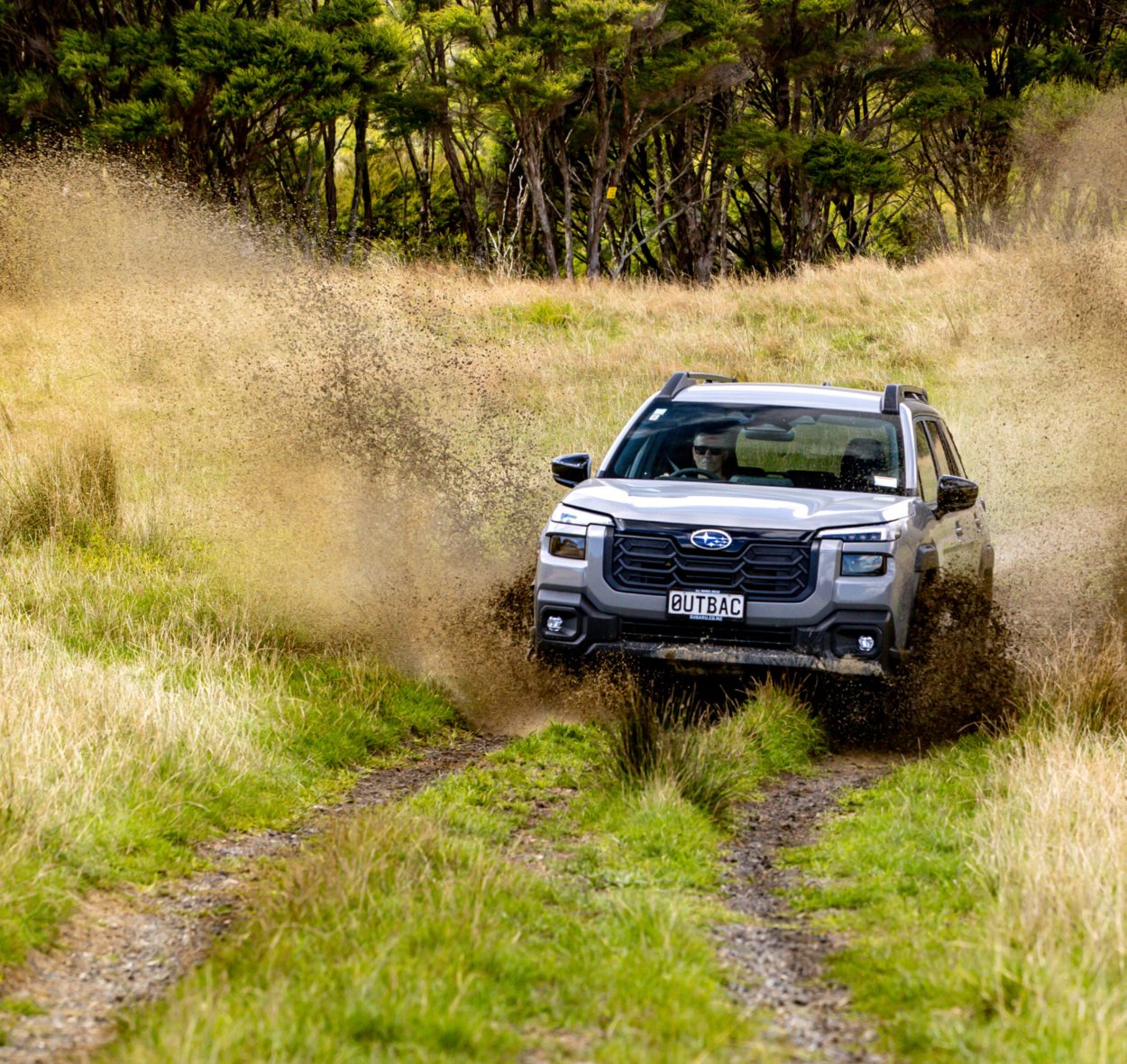
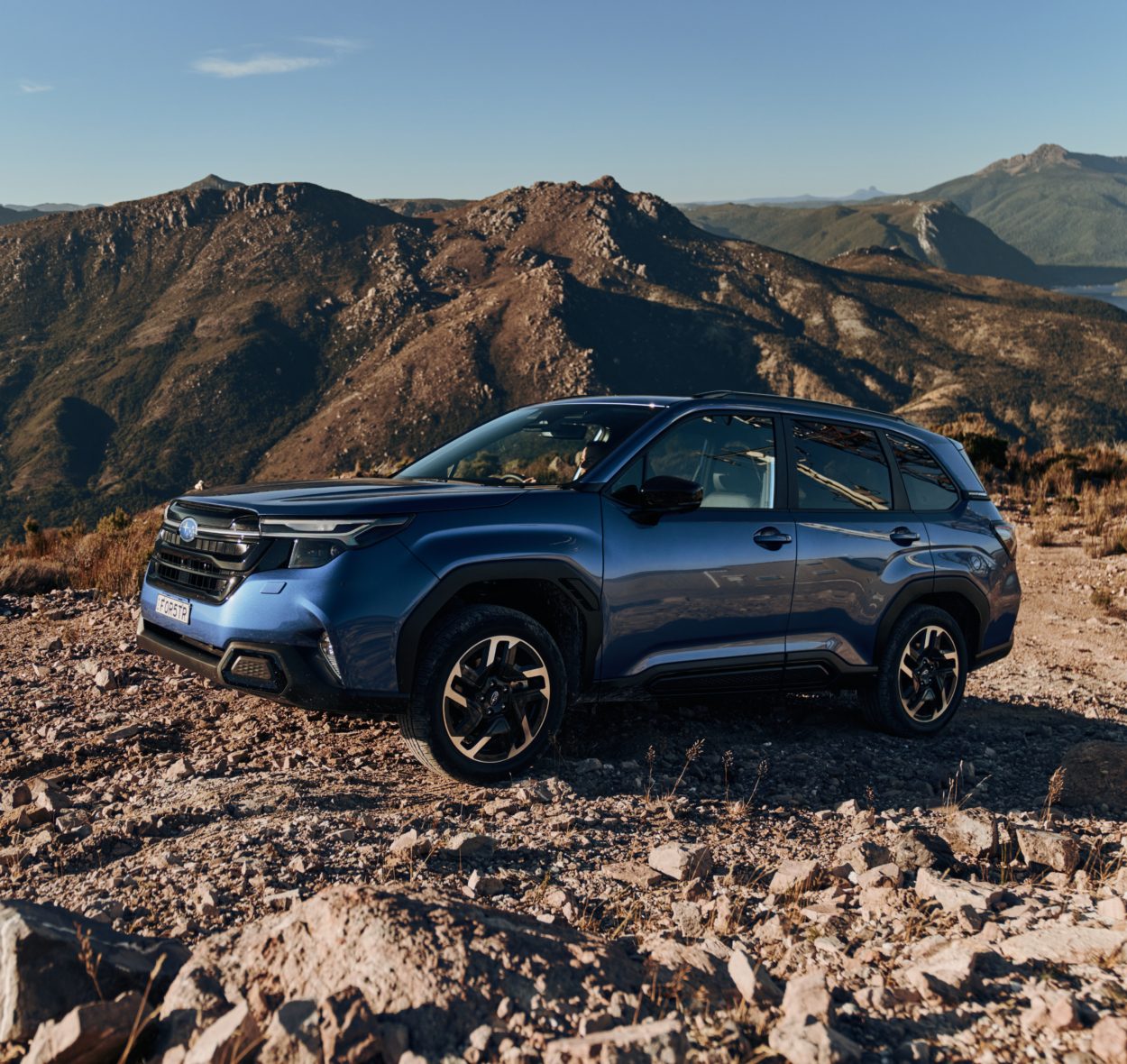
If you’re looking for extra boot space, a higher driving position or more room for passengers, an SUV could be worth considering.
From compact SUVs to larger family-friendly models, there’s plenty of choice depending on your needs.
Hybrids and Electric Vehicles: Efficient Alternatives
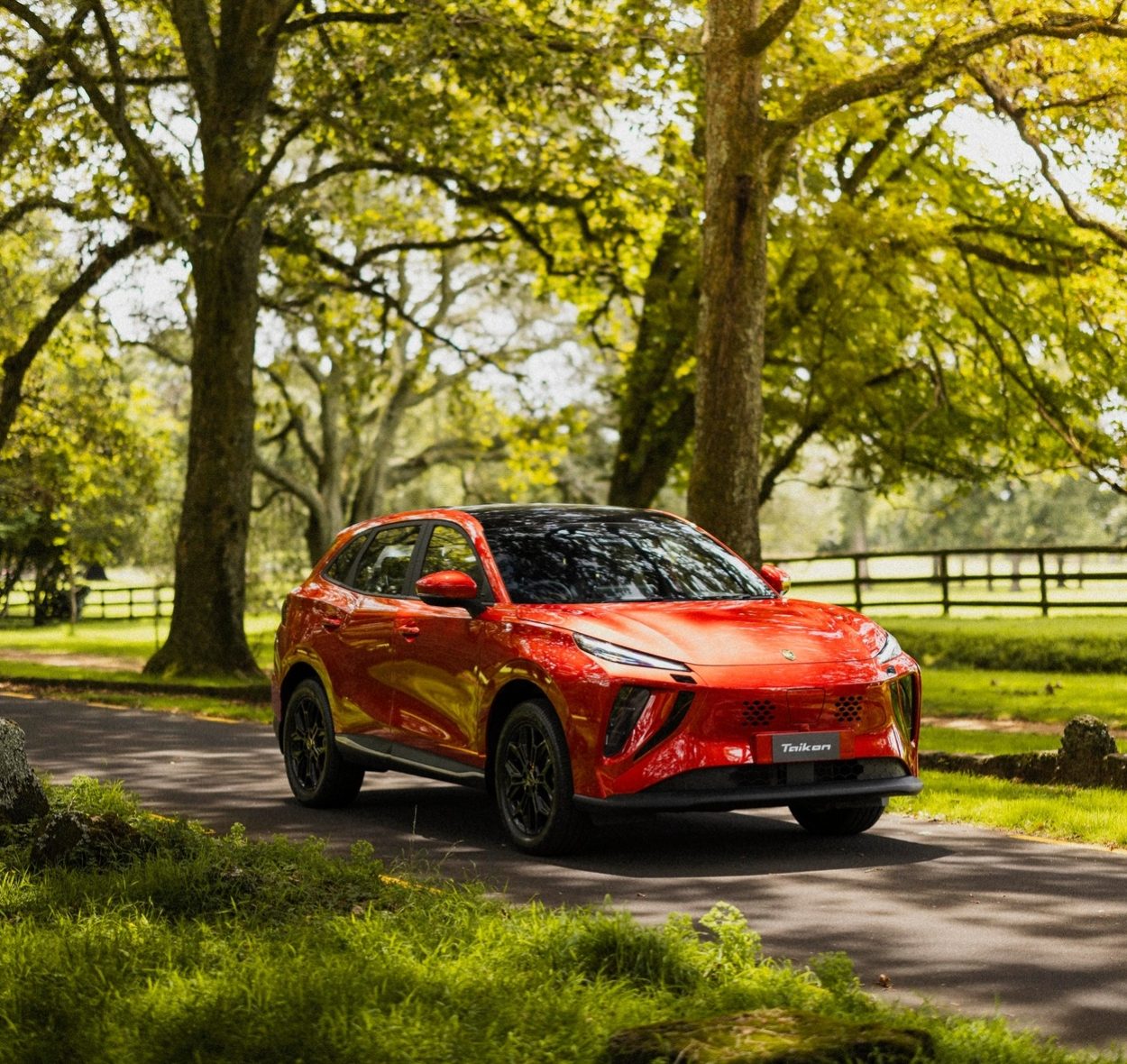
If fuel efficiency and running costs are high on your priority list, it’s worth exploring hybrid and electric vehicles.
Hybrid cars combine petrol and electric power, while fully electric vehicles run on electricity alone.
Your daily driving distance, access to charging and budget will help determine which option is right for you.
Our tip: Think about what you need from your car today, as well as how your lifestyle might change over the next few years.
Understand Your Car Finance Options
You don’t necessarily need to pay the full purchase price upfront when buying your first car.
Vehicle finance allows eligible buyers to spread the cost of a vehicle over an agreed period through regular repayments.
Before committing to finance, it’s important to understand:
- Deposit: How much you’re contributing upfront.
- Interest rate: The cost of borrowing money.
- Loan term: How long you’ll be making repayments.
- Repayment amount: What you’ll need to pay weekly, fortnightly or monthly.
- Additional fees: Any establishment, administration or other applicable charges.
- Total amount payable: The full cost of the vehicle and finance combined.
A lower repayment might sound appealing, but a longer loan term can mean paying more interest overall.
At Winger Motors, our team can help explain the vehicle finance options available and guide you through the application process.
Finance is subject to lending criteria, approval and applicable terms and conditions.
Don’t Forget About Safety Features
When buying your first car, safety should be high on your checklist.
Modern vehicles offer a range of features designed to help protect drivers, passengers and other road users.
Depending on the model and specification, these may include:
- Autonomous Emergency Braking (AEB): Can automatically apply the brakes in certain situations to help avoid or reduce the severity of a collision.
- Blind Spot Monitoring: Helps alert you to vehicles travelling in areas that may be difficult to see.
- Lane Keeping Assistance: Can help you stay within your lane.
- Reversing Cameras and Parking Sensors: Make parking and manoeuvring easier.
- Electronic Stability Control: Helps maintain vehicle stability in challenging driving conditions.
It’s also worth checking a vehicle’s safety rating through ANCAP or Rightcar, keeping in mind the year and specific model the rating applies to.
While safety technology is helpful, it doesn’t replace attentive driving.
Always Take a Test Drive
You’ve found a car that ticks all the boxes on paper. Now it’s time to see how it feels on the road.
A test drive is one of the most important steps in buying your first car. It gives you the chance to experience the vehicle firsthand and decide whether it’s comfortable and practical for your everyday driving.
During your test drive, pay attention to:
- How comfortable the driving position feels
- Visibility through the windows and mirrors
- How the car accelerates, brakes and handles
- Ease of parking and manoeuvring
- Cabin noise and ride comfort
- How easy the controls and infotainment system are to use
- Whether the boot and passenger space meet your needs
Don’t be afraid to ask questions. Whether it’s about fuel efficiency, safety features or how a particular system works, the dealership team is there to help.
And remember, there’s no need to rush. Taking the time to compare a few vehicles can make a big difference in finding the right fit.
Know What to Check Before Buying a Used Car
If you’re considering a used vehicle, a few extra checks can help you make a more informed decision.
Before purchasing, look into:
- Service history: Has the vehicle been maintained regularly?
- Vehicle kilometres: Does the odometer reading make sense for its age and condition?
- WoF and registration: Are the vehicle’s documents current?
- Tyres and brakes: Are there signs of excessive wear?
- Vehicle history: Has it been damaged, written off or had money owing against it?
- Mechanical condition: Has it been independently inspected?
A current WoF is important, but it isn’t a guarantee that a vehicle is mechanically reliable.
When purchasing from a registered motor vehicle dealer in New Zealand, you also have protections under the Consumer Guarantees Act, which generally don’t apply to private vehicle sales.
Taking the time to do your research can help you avoid unexpected surprises after you’ve driven away.
Understand the Paperwork
Once you’ve found the right vehicle, there are a few final details to organise before hitting the road.
These may include arranging insurance, reviewing your purchase agreement, confirming any finance arrangements and making sure the vehicle meets its legal requirements.
When a vehicle changes hands in New Zealand, both the buyer and seller must notify NZ Transport Agency Waka Kotahi so the registered person details can be updated.
Before signing anything, make sure you understand the total purchase price, any on-road costs, warranty details and applicable terms and conditions.
If you’re unsure about something, ask for clarification before committing.
Take Your Time and Ask Questions
Buying your first car is a big decision, and there’s no need to rush into it.
Do your research, compare your options and think carefully about what matters most to you.
You might start out looking for a compact hatchback and discover that a small SUV better suits your needs. Or perhaps a hybrid vehicle offers the right balance of efficiency and convenience for your commute.
The important thing is finding a car that works for your budget, lifestyle and confidence behind the wheel.
Find Your First Car at Winger Motors
Ready to start your car-buying journey?
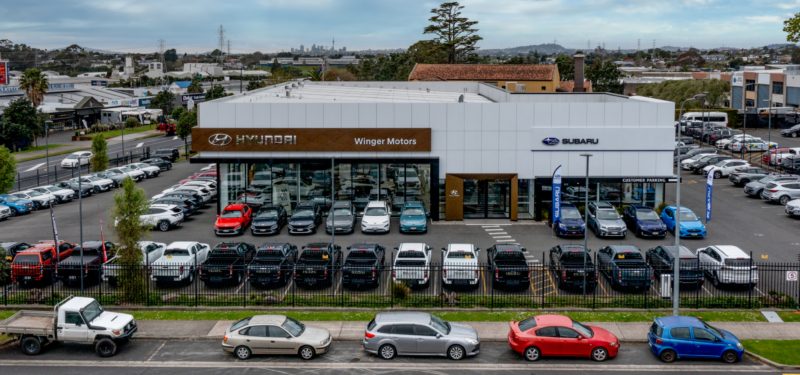
At Winger Motors, we know that buying your first vehicle is an exciting step. With a wide range of new and used vehicles across multiple brands, our team is here to help you explore your options and find something that feels right.
Whether you’re comparing models, exploring finance options or ready to get behind the wheel for a test drive, we’re here to make the process straightforward.
Your first car is the beginning of plenty of new adventures. Let’s help you find the right one.